
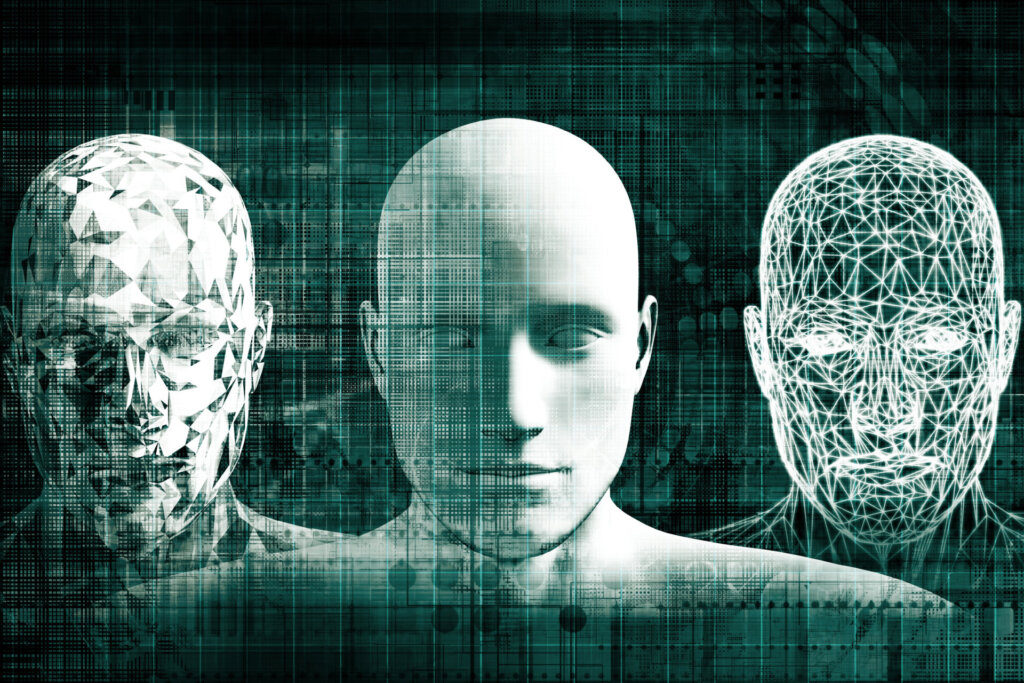
Because the election 12 months gears up, voters will doubtless be inundated with political advertisements. However how are you going to know all the photographs and sounds proven are actual and never deepfakes generated by synthetic intelligence?
Tales about deepfakes of political candidates have already made headlines, together with faux robocalls utilizing President Joe Biden’s voice in New Hampshire or faux photos of former President Donald Trump hugging Dr. Anthony Fauci.
“That is the primary time we’re going to be dealing with these deepfake misinformation campaigns,” mentioned Craig Holman, a registered lobbyist who focuses on ethics, lobbying and marketing campaign finance guidelines for watchdog group Public Citizen. “There’s little or no regulation and disclosure taking place.”
Public Citizen is pushing for laws in quite a few states, together with Maryland, to require transparency for political advertisements that embrace deepfakes.
The bipartisan Maryland invoice, HB 872, would require campaigns and different political entities who produce synthetic intelligence-generated content material to obviously label and disclose that it’s faux content material.
It might solely apply 90 days earlier than the election, if handed.
An analogous invoice, SB 978, was launched within the Maryland’s Senate earlier this month. In neighboring Virginia, Home lawmakers in Richmond handed a comparable invoice too.
“After we get proper all the way down to 60 or 30 days earlier than an election and a deepfake goes viral, it’s going to be very troublesome for candidates attempt to right the document,” mentioned Holman.
There are First Modification considerations although in the case of political speech — even when it entails materials generated by synthetic intelligence.
Holman mentioned the Maryland invoice takes some precautions, akin to making exemptions for parody or satirical deepfakes and never outright banning them in political advertisements like some states or requiring disclosure.
Six states have already handed laws surrounding deepfakes, with most requiring advertisements be labeled just like the proposed Maryland laws (SB 978): “THIS VIDEO HAS BEEN ALTERED OR MODIFIED THROUGH THE USE OF COMPUTER PROGRAMS TO DISPLAY AN EVENT, A SOUND, OR AN IMAGE THAT DID NOT OCCUR.”
Texas and Minnesota have outright banned deepfakes in political advertisements proper earlier than an election.
“Transparency is what we’re pushing for,” mentioned Holman.
After all, many deepfakes are produced exterior the jurisdiction of the state, in different international locations.
The primary listening to for HB 872, the bipartisan Maryland Home invoice addressing the disclosure of utilizing artificial media is marketing campaign supplies anticipated on Tuesday.
Get breaking information and every day headlines delivered to your electronic mail inbox by signing up right here.
© 2024 WTOP. All Rights Reserved. This web site isn’t meant for customers positioned inside the European Financial Space.


