
The Supreme Court on Wednesday agreed to decide whether or not former President Donald Trump will be prosecuted on expenses he interfered with the 2020 election, calling into query whether or not his case might go to trial earlier than the November election.While the courtroom set a course for a fast decision, it maintained a maintain on preparations for a trial centered on Trump’s efforts to overturn his election loss. The courtroom will hear arguments in late April, with a call seemingly no later than the tip of June.Related video above: Trump just isn’t immune from prosecution in his 2020 election interference case, appeals courtroom saysThat timetable is way sooner than typical, however assuming the justices deny Trump’s immunity bid, it is not clear whether or not a trial will be scheduled and concluded earlier than the November election. Early voting in some states will start in September.The courtroom’s choice to intervene in a second main Trump case this time period, together with the dispute over whether or not he’s barred from being president once more due to his actions following the 2020 election, underscores the direct function the justices can have within the end result of the election.Trump’s legal professionals have sought to delay a trial till after the election.In the tip, the timing of a doable trial might come down to how rapidly the justices rule. They have proven they’ll act quick, issuing a call within the Watergate tapes case in 1974 simply 16 days after listening to arguments. The choice in Bush v. Gore got here the day after arguments in December 2000.By taking on the legally untested query now, the justices have created a state of affairs of uncertainty that particular counsel Jack Smith had sought to keep away from when he first requested the excessive courtroom in December to instantly intervene. In his newest courtroom submitting, Smith had instructed arguments a full month sooner than the late April timeframe.Trump wrote on Truth Social that authorized students “are extraordinarily grateful” the courtroom stepped in to decide on immunity. “Presidents will at all times be involved, and even paralyzed, by the prospect of wrongful prosecution and retaliation after they depart workplace,” he wrote.A Smith spokesperson declined to remark.The trial date, already postponed as soon as by Trump’s immunity enchantment, is of paramount significance to each side. Prosecutors are wanting to carry Trump to trial this yr whereas protection legal professionals have been searching for delays in his legal instances. If Trump had been to be elected with the case pending, he might presumably use his authority as head of the chief department to order the Justice Department to dismiss it or might doubtlessly search to pardon himself.Though their Supreme Court submitting didn’t explicitly point out the upcoming November election or Trump’s standing because the Republican major front-runner, prosecutors described the case as having “distinctive nationwide significance” and mentioned that “delay within the decision of those expenses threatens to frustrate the general public curiosity in a speedy and honest verdict.”Trump’s legal professionals have solid the prosecution in partisan phrases, telling the justices that “a months-long legal trial of President Trump on the top of election season will radically disrupt President Trump’s means to marketing campaign in opposition to President Biden — which seems to be the entire level of the Special Counsel’s persistent calls for for expedition.”The courtroom mentioned in an unsigned assertion that it’s going to take into account “whether or not and if that’s the case to what extent does a former President take pleasure in presidential immunity from legal prosecution for conduct alleged to contain official acts throughout his tenure in workplace.”The Supreme Court has beforehand held that presidents are immune from civil legal responsibility for official acts, and Trump’s legal professionals have for months argued that that safety needs to be prolonged to legal prosecution as nicely.Lower courts have to date rejected Trump’s novel claim that former presidents take pleasure in absolute immunity for actions that fall inside their official job duties. A panel of appellate judges in Washington dominated earlier in February that U.S. District Judge Tanya Chutkan, who would preside over the election interference trial, was proper to say that the case might proceed and that Trump could possibly be prosecuted for actions undertaken whereas within the White House and within the run-up to Jan. 6, 2021, when a mob of his supporters stormed the U.S. Capitol.The challenge reached the excessive courtroom as a result of the appeals courtroom refused to grant the delay that Trump had sought.The case is separate from the excessive courtroom’s consideration of Trump’s enchantment to stay on the presidential poll regardless of makes an attempt to kick him off due to his efforts following his election loss in 2020. During arguments on Feb. 8, the courtroom appeared seemingly to aspect with Trump. A choice might come at any time.The excessive courtroom additionally will hear an enchantment in April from one of many greater than 1,200 individuals charged within the Capitol riot. The case might upend a cost prosecutors have introduced in opposition to greater than 300 individuals, together with Trump.The election interference case in Washington is one among 4 prosecutions Trump faces as he seeks to reclaim the White House. Of these, the one one with a trial date that appears poised to maintain is his state case in New York, the place he’s charged with falsifying enterprise information in reference to hush cash funds to a porn actor. That case is ready for trial on March 25, and a decide this month signaled his dedication to press forward.A separate case charging him with illegally hoarding labeled information is ready for trial on May 20, however a pivotal listening to on Friday appears seemingly to lead to a delay. No date has been set in a separate state case in Atlanta charging him with scheming to subvert that state’s 2020 election.
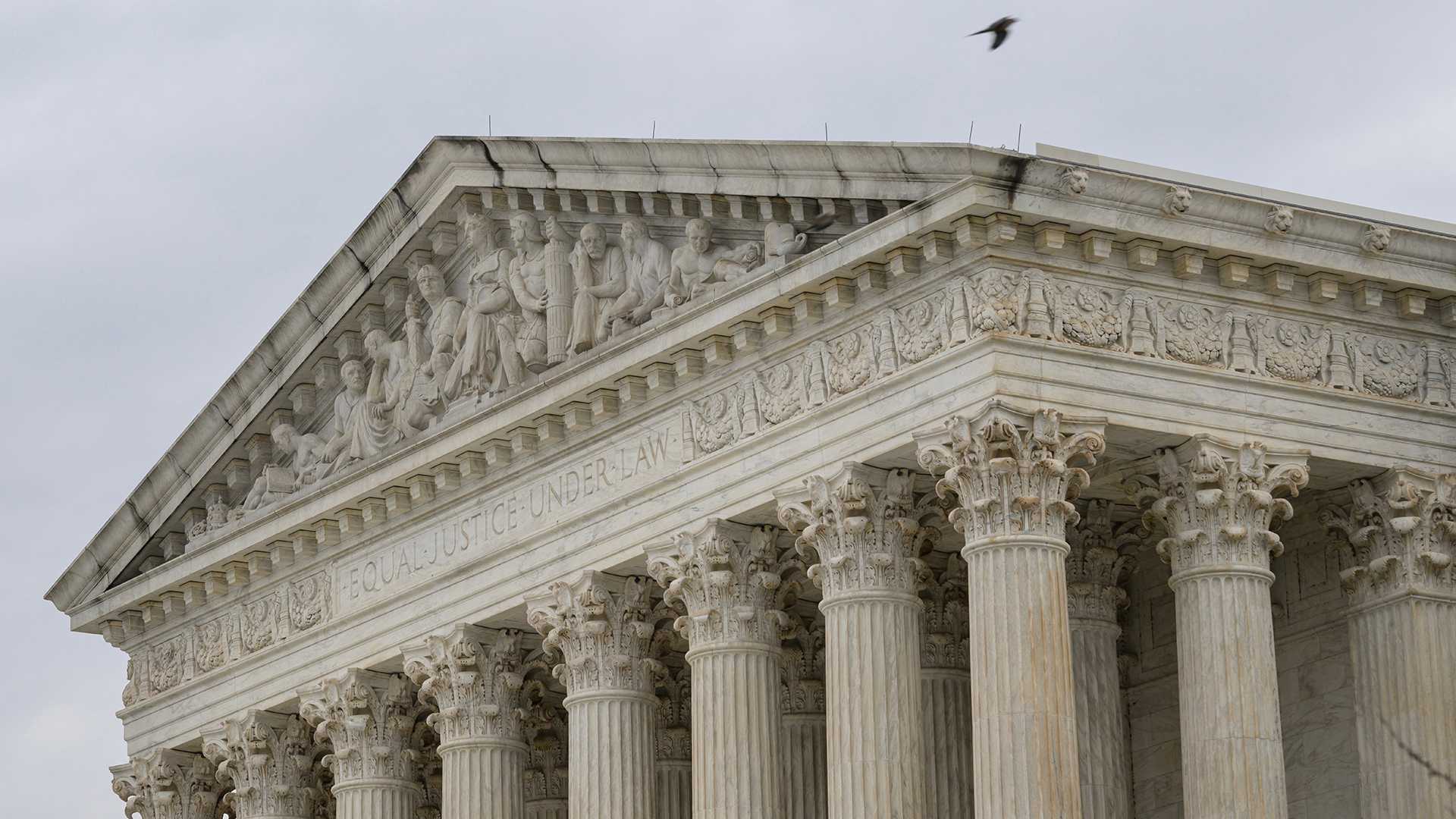
The Supreme Court on Wednesday agreed to decide whether or not former President Donald Trump will be prosecuted on expenses he interfered with the 2020 election, calling into query whether or not his case might go to trial earlier than the November election.
While the courtroom set a course for a fast decision, it maintained a maintain on preparations for a trial centered on Trump’s efforts to overturn his election loss. The courtroom will hear arguments in late April, with a call seemingly no later than the tip of June.
Related video above: Trump just isn’t immune from prosecution in his 2020 election interference case, appeals courtroom says
That timetable is way sooner than typical, however assuming the justices deny Trump’s immunity bid, it is not clear whether or not a trial will be scheduled and concluded earlier than the November election. Early voting in some states will start in September.
The courtroom’s choice to intervene in a second main Trump case this time period, together with the dispute over whether or not he’s barred from being president once more due to his actions following the 2020 election, underscores the direct function the justices can have within the end result of the election.
Trump’s legal professionals have sought to delay a trial till after the election.
In the tip, the timing of a doable trial might come down to how rapidly the justices rule. They have proven they’ll act quick, issuing a call within the Watergate tapes case in 1974 simply 16 days after listening to arguments. The choice in Bush v. Gore got here the day after arguments in December 2000.
By taking on the legally untested query now, the justices have created a state of affairs of uncertainty that particular counsel Jack Smith had sought to keep away from when he first requested the excessive courtroom in December to instantly intervene. In his newest courtroom submitting, Smith had instructed arguments a full month sooner than the late April timeframe.
Trump wrote on Truth Social that authorized students “are extraordinarily grateful” the courtroom stepped in to decide on immunity. “Presidents will at all times be involved, and even paralyzed, by the prospect of wrongful prosecution and retaliation after they depart workplace,” he wrote.
A Smith spokesperson declined to remark.
The trial date, already postponed as soon as by Trump’s immunity enchantment, is of paramount significance to each side. Prosecutors are wanting to carry Trump to trial this yr whereas protection legal professionals have been searching for delays in his legal instances. If Trump had been to be elected with the case pending, he might presumably use his authority as head of the chief department to order the Justice Department to dismiss it or might doubtlessly search to pardon himself.
Though their Supreme Court submitting didn’t explicitly point out the upcoming November election or Trump’s standing because the Republican major front-runner, prosecutors described the case as having “distinctive nationwide significance” and mentioned that “delay within the decision of those expenses threatens to frustrate the general public curiosity in a speedy and honest verdict.”
Trump’s legal professionals have solid the prosecution in partisan phrases, telling the justices that “a months-long legal trial of President Trump on the top of election season will radically disrupt President Trump’s means to marketing campaign in opposition to President Biden — which seems to be the entire level of the Special Counsel’s persistent calls for for expedition.”
The courtroom mentioned in an unsigned assertion that it’s going to take into account “whether or not and if that’s the case to what extent does a former President take pleasure in presidential immunity from legal prosecution for conduct alleged to contain official acts throughout his tenure in workplace.”
The Supreme Court has beforehand held that presidents are immune from civil legal responsibility for official acts, and Trump’s legal professionals have for months argued that that safety needs to be prolonged to legal prosecution as nicely.
Lower courts have to date rejected Trump’s novel claim that former presidents take pleasure in absolute immunity for actions that fall inside their official job duties. A panel of appellate judges in Washington dominated earlier in February that U.S. District Judge Tanya Chutkan, who would preside over the election interference trial, was proper to say that the case might proceed and that Trump could possibly be prosecuted for actions undertaken whereas within the White House and within the run-up to Jan. 6, 2021, when a mob of his supporters stormed the U.S. Capitol.
The challenge reached the excessive courtroom as a result of the appeals courtroom refused to grant the delay that Trump had sought.
The case is separate from the excessive courtroom’s consideration of Trump’s enchantment to stay on the presidential poll regardless of makes an attempt to kick him off due to his efforts following his election loss in 2020. During arguments on Feb. 8, the courtroom appeared seemingly to aspect with Trump. A choice might come at any time.
The excessive courtroom additionally will hear an enchantment in April from one of many greater than 1,200 individuals charged within the Capitol riot. The case might upend a cost prosecutors have introduced in opposition to greater than 300 individuals, together with Trump.
The election interference case in Washington is one among 4 prosecutions Trump faces as he seeks to reclaim the White House. Of these, the one one with a trial date that appears poised to maintain is his state case in New York, the place he’s charged with falsifying enterprise information in reference to hush cash funds to a porn actor. That case is ready for trial on March 25, and a decide this month signaled his dedication to press forward.
A separate case charging him with illegally hoarding labeled information is ready for trial on May 20, however a pivotal listening to on Friday appears seemingly to lead to a delay. No date has been set in a separate state case in Atlanta charging him with scheming to subvert that state’s 2020 election.


